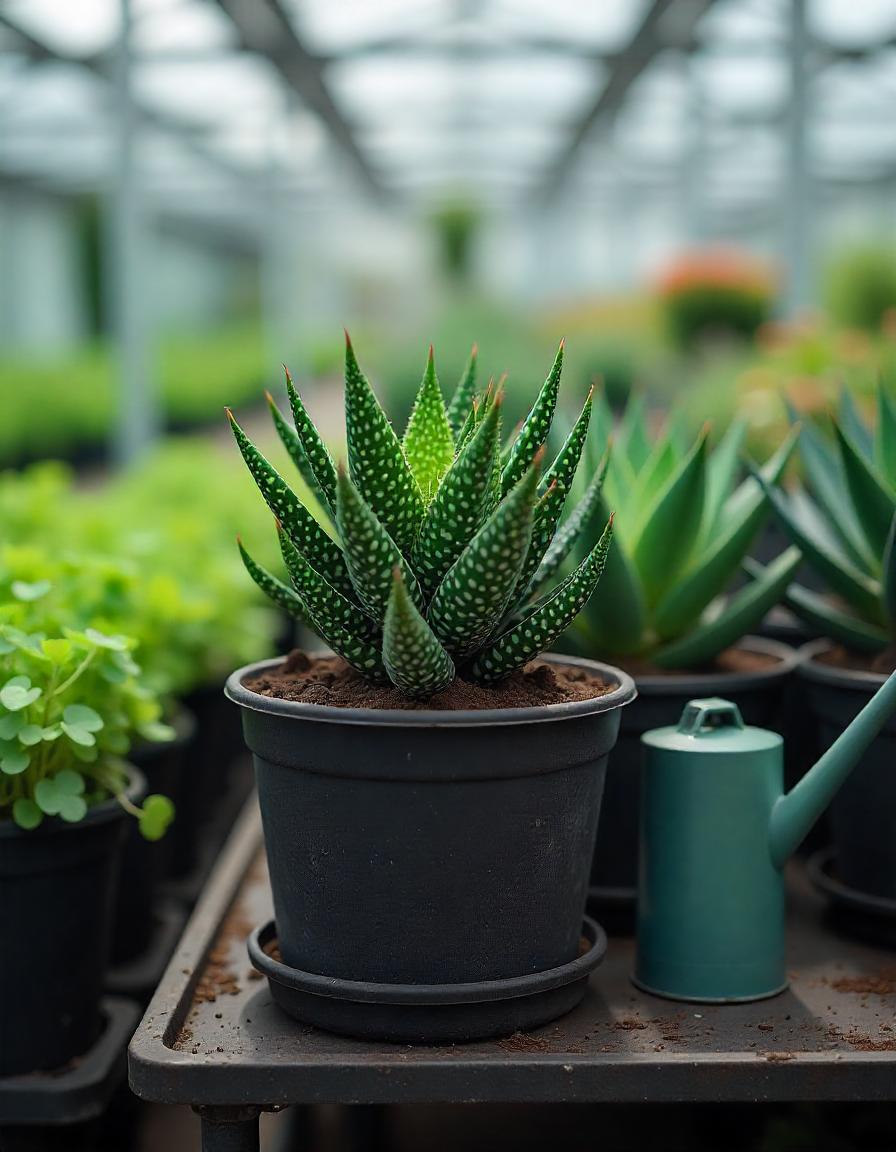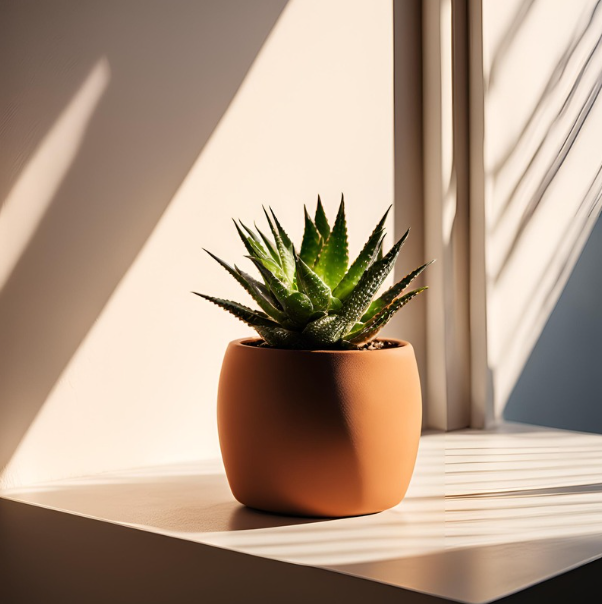

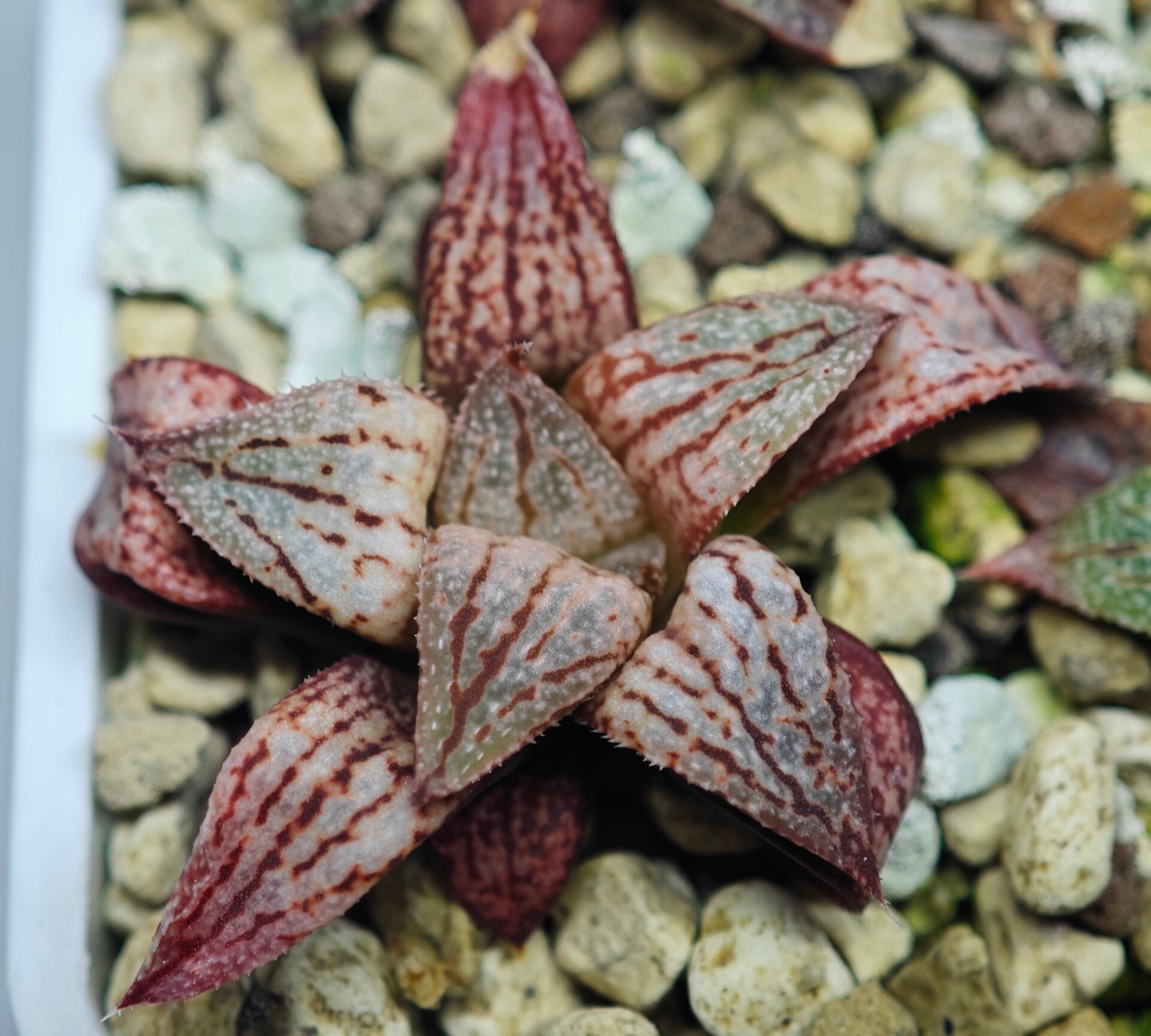
Welcome to our expert Haworthia care guide, designed to help you grow the most beautiful and healthy succulents in Europe. Haworthias are some of the most rewarding plants for indoor collectors, known for their stunning rosettes and unique “windowed” leaves. Whether you just bought your first Haworthia splendens or you are an experienced grower, this Haworthia care guide will cover everything you need to know to succeed.
1. Light Requirements: Finding the Sweet Spot
The first rule of any Haworthia care guide is understanding that these plants do not like intense, direct sunlight. In their natural habitat in South Africa, they often grow under the shade of bushes or rocks.
- Best spot: A bright windowsill with indirect light (East or West facing).
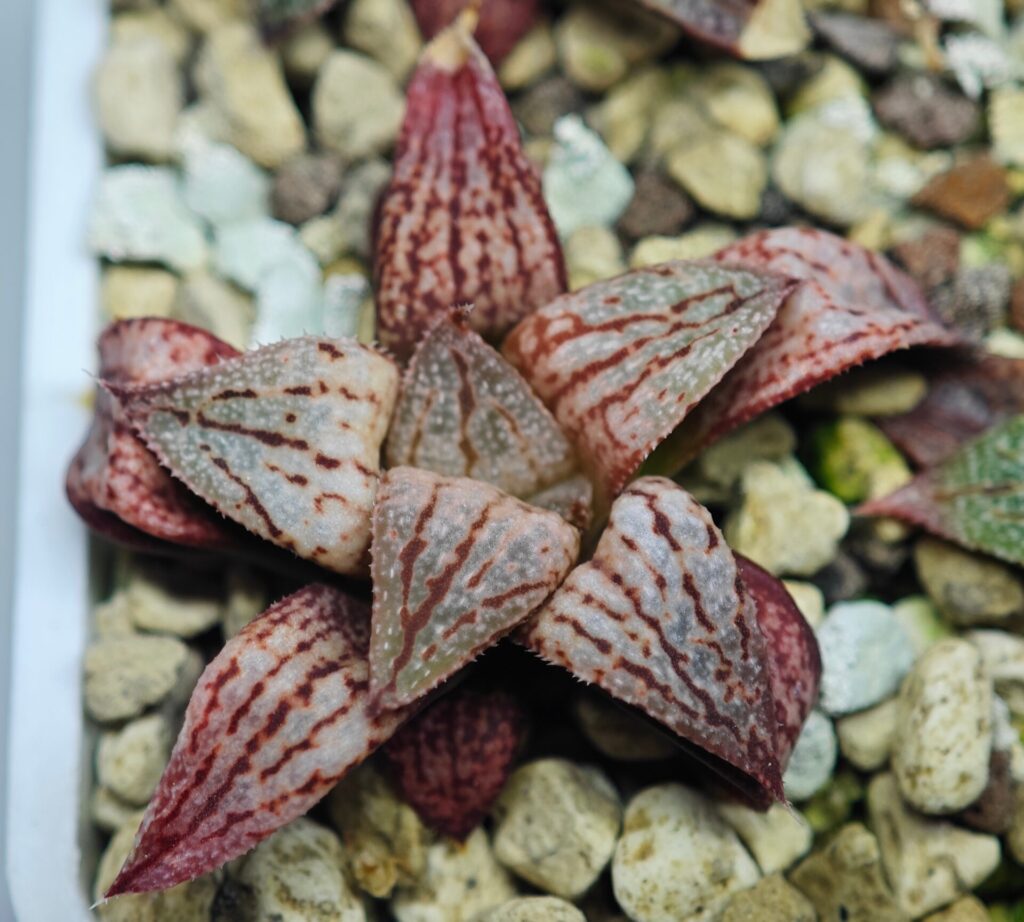
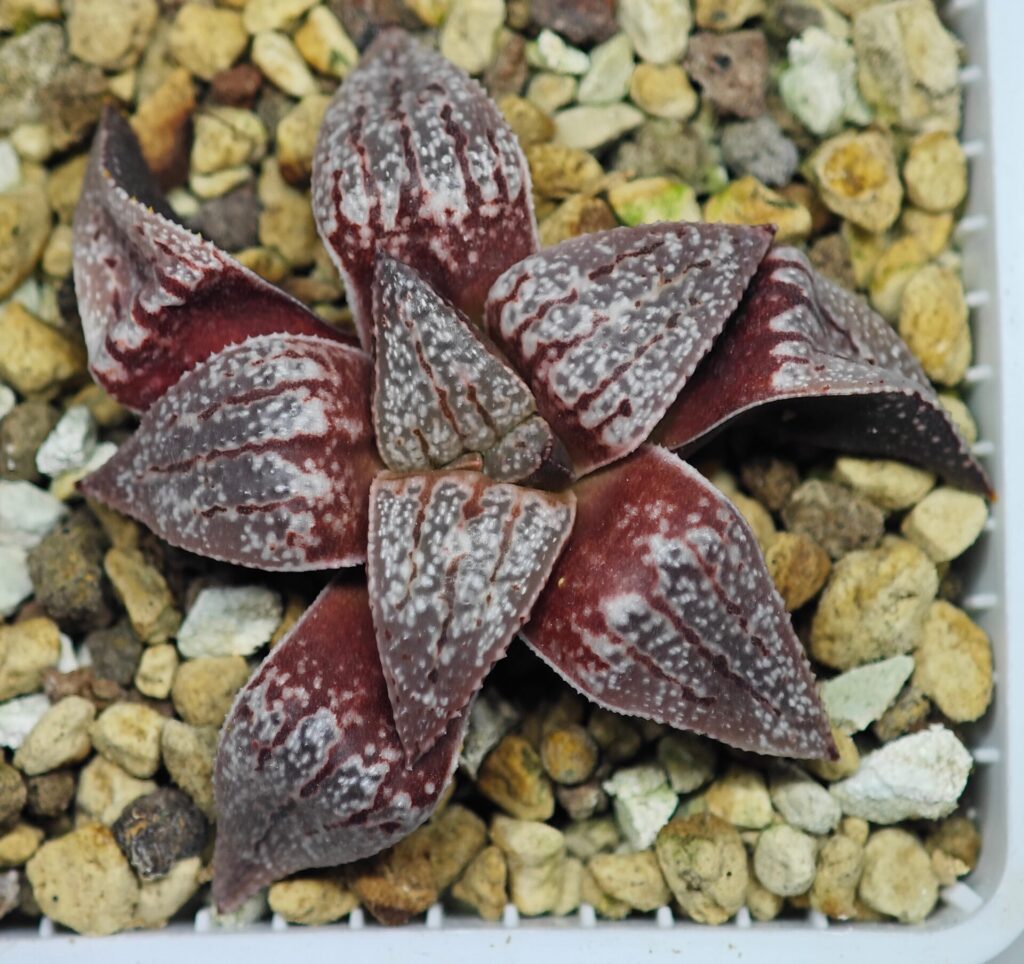
- Warning signs: If the leaves turn white or yellow, the plant is getting too much sun. If it turns dark red or brown, it is “stressing” (which some collectors like, but be careful!).
2. Watering: The “Soak and Dry” Method
The biggest killer of Haworthias is overwatering, which leads to root rot. To maintain proper Haworthia care, you must master the watering cycle.
- How to water: Water deeply until it runs out of the drainage holes, then wait until the soil is completely dry before watering again. Use a wooden stick to check the moisture at the bottom of the pot.
- Seasonal changes: During the hot summer months, many Haworthias go semi-dormant. Reduce watering during this time. In winter, water very sparingly – just enough to keep the leaves from shriveling.
3. The Perfect Haworthia Soil Mix
Drainage is king for succulents. Never use standard potting soil alone if you want to follow a professional Haworthia care guide.
- Our recommendation: A mix of 60-70% inorganic material (pumice, perlite, or lava rock) and 30-40% succulent soil. This allows oxygen to reach the roots and prevents moisture from being trapped at the bottom. A gritty mix is essential for long-term health.
4. Temperature and Airflow in Europe
Haworthias love fresh air and stable conditions. They prefer temperatures between 15°C and 25°C.
- European Winter: Keep them away from freezing windows. They can survive cool temperatures (around 10°C) if the soil is bone dry. Good airflow prevents fungal issues, which is a key part of Haworthia care in humid climates.
5. Common Pests and Problems
Even with a great Haworthia care guide, pests like Mealybugs can appear. They love to hide in the tight crevices of the rosettes. If you see white “cotton-like” spots, treat them immediately with isopropyl alcohol or neem oil. Regular inspection of the leaves will keep your collection safe.
6. Potting and Propagation
Haworthias don’t mind being slightly root-bound, but they appreciate fresh soil every 2-3 years. When repotting, check for healthy white roots. If you see offsets (pups) growing around the mother plant, you can carefully remove them to start new plants. This is the most rewarding part of following a Haworthia care guide – watching your collection grow!
Conclusion
We hope this Haworthia care guide helps you succeed with your collection! By focusing on the right light, gritty soil, and careful watering, your plants will thrive for years to come. Explore our latest Haworthia collection at haworthiaeurope.com/shop to find your next rare gem.